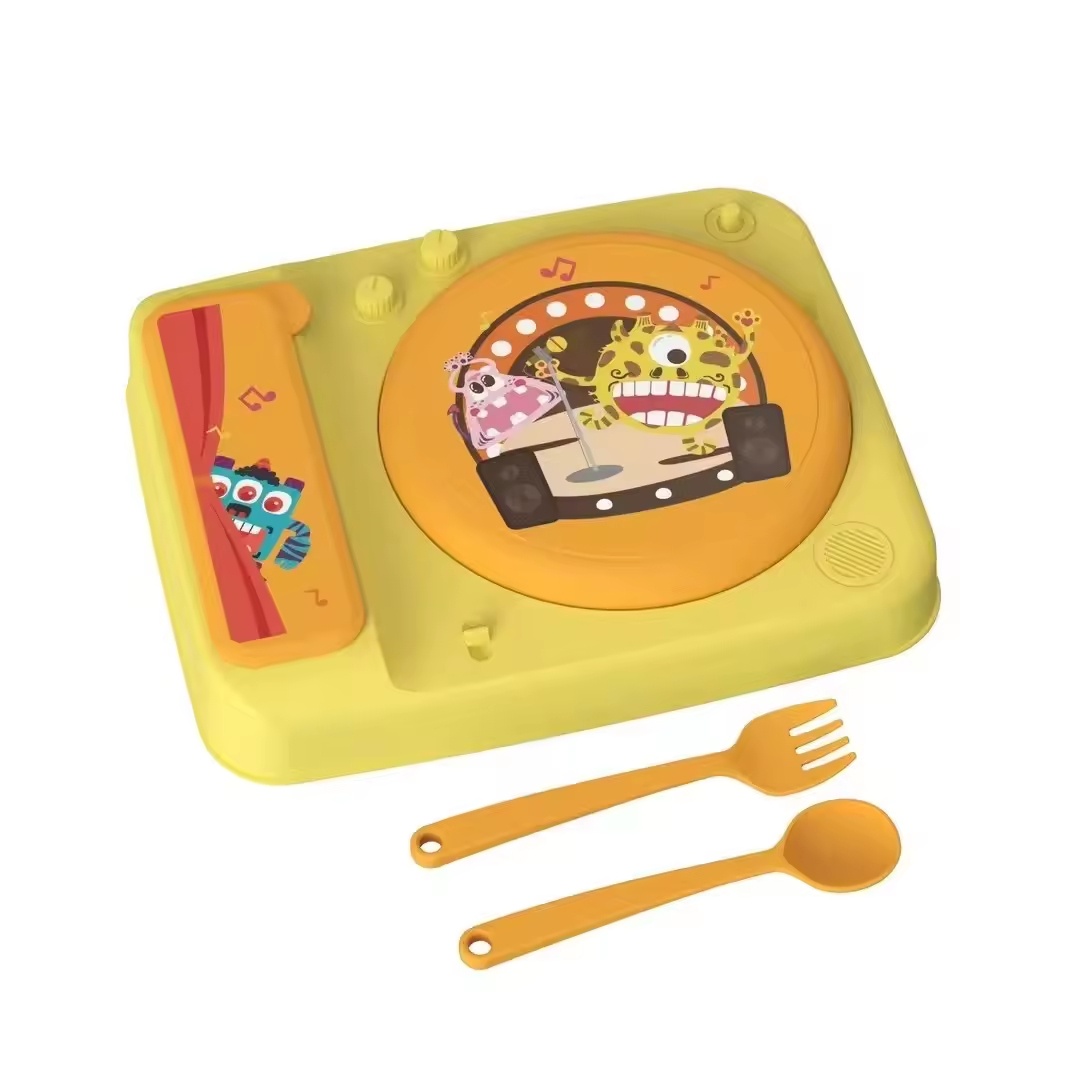
To get the best deal on baby plates and cutlery from Chinese suppliers, buyers should first understand the price components: raw materials (PP, Tritan, 304/316 stainless steel, food-grade silicone, colorants), labor, factory overhead (rent, utilities, machinery, compliance such as ISO, FDA and BSCI), profit margin, packaging and logistics (EXW or FOB), plus mold and tooling costs for custom designs.
Larger orders lower the per-unit price: setup and mold costs are spread, materials are bought at a discount and long runs are more efficient. Customization adds cost — new molds, design and engineering time, special materials and smaller first runs — while minor changes such as a new color or logo cost less.
Timing matters. Factories are busiest before Chinese New Year (December–January) and closed during the holiday (February). Quieter windows in March–April and October–November can bring better terms, such as a lower MOQ, better payment terms or faster lead time.
For payment, a common balanced structure is a 30% T/T deposit with the 70% balance paid after a successful pre-shipment inspection, before loading. A letter of credit suits larger orders over about $20,000, and escrow services such as Alibaba Trade Assurance protect new relationships. Never sacrifice quality for a slightly lower price on baby products.