What lifespan assurance can suppliers offer B2B buyers?
What lifespan assurance can suppliers offer B2B buyers? Usage cycle estimates, acceptable wear in B2B QC, warranties and how buyers can assess product lifespan during sampling.
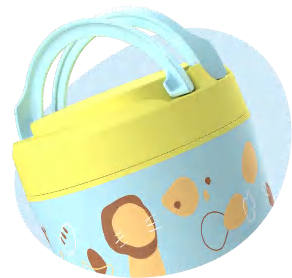
When purchasing managers ask how long our baby feeding products last, they want reliability — poor durability means returns, complaints and lost trust. Suppliers can offer lifespan assurance through usage cycle estimates, material durability testing and optional warranties tailored to B2B needs. Buyers often evaluate samples and review test data during sourcing, and understanding lifespan is not just about materials — it is about long-term trust.
Serious manufacturers provide usage cycle estimates based on lab-tested conditions and historical performance data, which guide buyers in evaluating longevity. Reputable factories perform repeated-use simulations: microwave durability (100 cycles at 100°C for 3 minutes each), dishwasher resistance (200 cycles, checking surface durability, fading and warping), drop testing (dropped from 1.2 meters, 5 times), and seal life tests (200 open-close cycles). A cycle means one full use — filling a lunch box, microwaving it, cleaning it and using it again — and most lunch boxes handle 300–500 full usage cycles under normal conditions. Buyers should ask for documentation or sample test records; if a supplier cannot offer any cycle estimates, it may indicate poor product quality.
Acceptable wear in B2B QC typically includes non-structural changes such as light surface scratches, but the issue is defining boundaries, since what is minor to one customer might be unacceptable to another. B2B contracts usually define acceptability precisely: lid seal — slight tightness loss is acceptable, leaking during a drop test is not; print/logo — fading under 10% is acceptable, complete erasure is not; surface — minor scratches are acceptable, cracks, holes or discoloration are not; shape/deformation — warping under 2 mm that does not impact fit is acceptable, a lid not fitting securely is not. QC teams often follow AQL sampling along with performance test protocols, for example a 1.5 AQL level for major defects in a shipment of 10,000 units, and buyers can request PPAP documents or Initial QC Run Reports.
Some suppliers offer limited warranties (3–12 months) for B2B buyers: material warranties of 6–12 months cover cracks, breakage and warping; manufacturing-defect warranties of 3 months cover leakage, misassembly or poor fitting; and project-based performance guarantees are defined in design specs, for example no leakage after 200 uses. Most low-cost suppliers will not provide any formal warranty unless required, but buyers can negotiate credit note policies or remake clauses into their contracts — indirect warranty systems even if labeled differently. Buyers should assess lifespan during sampling with repeated use testing (50+ microwave/dishwasher cycles), drop or impact tests (at least 3 drops), lid seal integrity checks (open/close repeated 100 times), material analysis reports such as FTIR, and benchmark comparisons against a best-selling item. Red flags include no supplier test report, major discoloration after 2 dishwasher cycles, a seal that loosens quickly, or soft-touch parts that peel or crack — suppliers can assure lunch box lifespan through documented usage cycles, defined QC tolerances and optional warranties.